


Looking for Rehab for Men Near Me? Here's What to Expect
Start Your Journey NowWritten and reviewed by the clinical team at Trifecta Healthcare Institute, a men’s-only treatment center in Tennessee specializing in substance use, mental health, and dual diagnosis care.
Why Choosing a Rehab for Men Near Me Matters
Men often face distinct barriers when seeking help with addiction, including societal expectations around self-reliance, fear of appearing weak, and difficulty expressing vulnerability. These cultural pressures can delay treatment and complicate recovery, making it essential to address men's unique psychological and social needs within specialized programming. If you are searching for rehab for men near me, understanding these gender-specific nuances is the first step toward effective treatment.
Research consistently shows that men benefit from treatment environments that acknowledge their specific challenges. Many men struggling with addiction have experienced trauma, relationship difficulties, or identity crises that manifest differently than in women. Traditional rehabilitation settings may not adequately address how men process emotions, build trust, or develop healthy coping mechanisms. Programs designed specifically with men in mind create space for authentic connection and peer support that respects masculine communication styles while challenging harmful patterns.
Exercise-centered recovery approaches have proven particularly effective with male clients, who often find it easier to process difficult emotions through fitness and kinetic engagement rather than traditional talk therapy alone. Incorporating exercise, outdoor activities, and structured physical challenges helps men rebuild confidence, regulate stress, and develop discipline—all critical components of sustainable recovery. This approach also addresses the mind-body connection that addiction disrupts, helping men reconnect with themselves in healthier ways.
"The brotherhood aspect of gender-specific treatment creates accountability and genuine support that many men have never experienced. When men in recovery support each other through shared struggles, they develop emotional literacy and interpersonal skills that serve them well beyond their time in treatment."
Whether seeking rehabilitation in Nashville or addiction treatment in Knoxville tailored to male clients, finding a program that understands these gender-specific needs can significantly impact sustained success. Men deserve treatment that honors their experiences while providing the tools and community necessary for lasting transformation, addressing both chemical dependency and concurrent psychological concerns within a comprehensive framework.
Why Gender-Tailored Programming Matters
Gender-tailored programming is essential for men seeking recovery because it directly addresses the unique social and emotional barriers men often face when entering rehab for men near me. Many men have been conditioned to view vulnerability as weakness, which can lead to reluctance in seeking help or fully engaging in treatment. By offering male-focused environments—such as those found at Nashville rehab and Knoxville rehab for men—programs can create a sense of brotherhood and shared understanding that fosters trust and openness.
Research indicates that men participating in gender-specific treatment experience higher engagement and more positive outcomes than those in mixed-gender settings2. Prioritize facilities that integrate movement-based therapies and peer support, as these approaches align closely with men’s needs for active healing and camaraderie in the recovery journey.
How Male Socialization Affects Help-Seeking
A practical assessment for men considering rehab for men near me is to reflect on how traditional male socialization may influence their willingness to seek support. Societal norms often teach men to prioritize self-reliance, competitiveness, and emotional restraint, making it difficult to ask for help or express vulnerability in treatment settings. These ingrained beliefs can result in hesitancy to engage fully with group therapy or peer support at a men’s addiction treatment center.
Research shows that these barriers—rooted in male gender role expectations—can directly impact treatment entry and retention, underscoring the importance of programs that foster brotherhood and mutual support2. Facilities in Tennessee, such as Nashville rehab and Knoxville rehab for men, are especially effective when they address these challenges through movement-based, peer-driven healing. Understanding these social influences empowers men to choose environments that encourage openness and trust.
Evidence for Men-Only Recovery Environments
When choosing a rehab for men near me, it helps to consider the growing body of evidence supporting men-only recovery environments. Studies show that men in gender-specific programs report higher completion rates and greater engagement, as these settings foster honest conversation, trust, and camaraderie that are often harder to achieve in mixed-gender groups2. In Tennessee, programs like Nashville rehab for men and Knoxville rehab for men utilize movement-based therapies and brotherhood-focused group work, which align with male preferences for action-oriented healing.
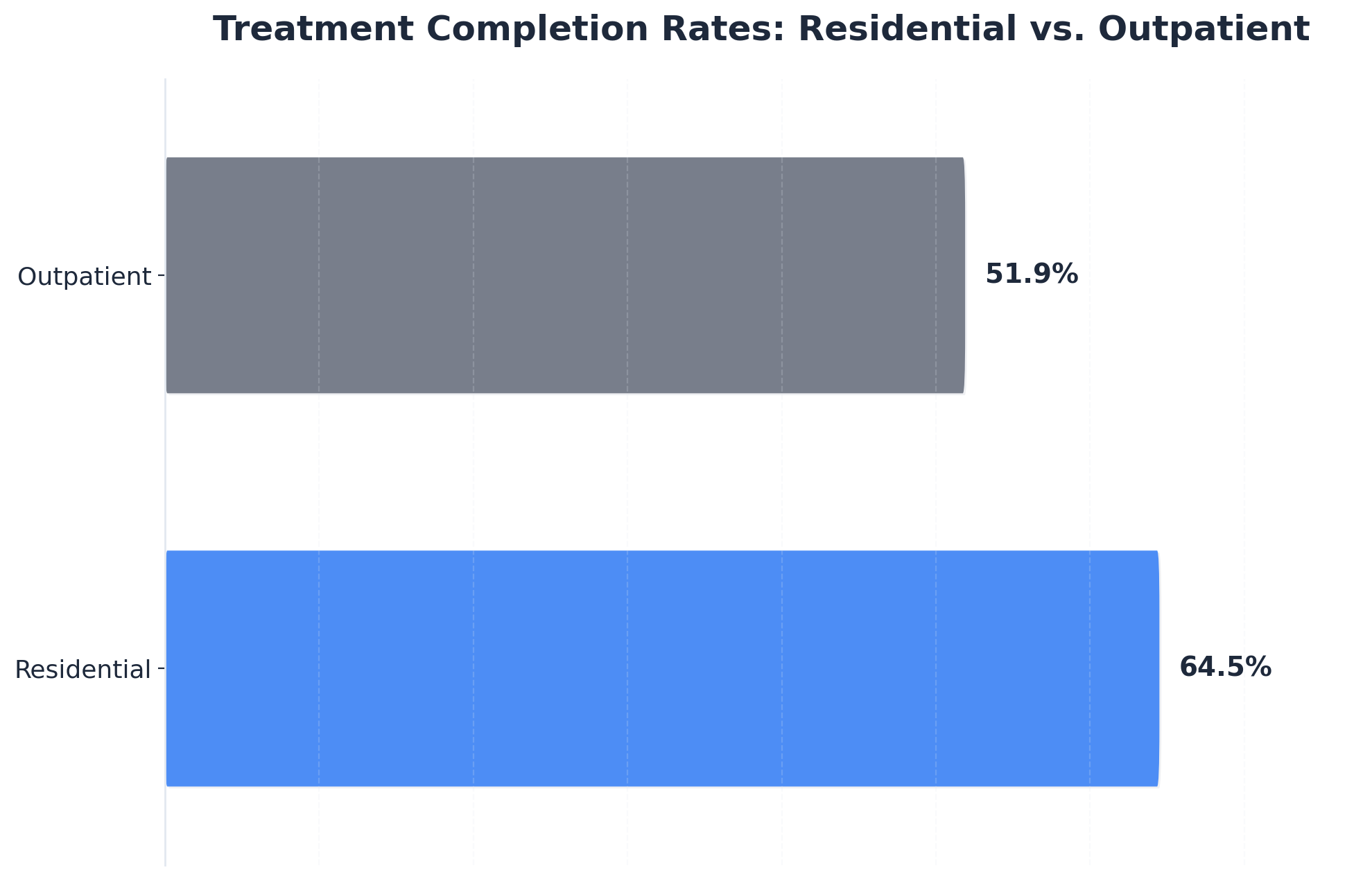
Research also highlights that residential settings—where peer support is strong—lead to more successful outcomes for men, with completion rates of 64.5% compared to 51.9% in outpatient settings3. Facilities that prioritize a brotherhood approach and peer-driven support create the most effective environment for long-term recovery.
Common Co-Occurring Conditions in Men
A significant number of men seeking rehab for men near me are living with co-occurring mental health conditions—meaning substance use and mental health challenges appear together and influence each other. Depression, anxiety, trauma, and PTSD are especially common among male populations in Tennessee, and research shows that outcomes tend to be worse when both issues are present unless both are addressed in treatment4.
Nashville rehab and Knoxville rehab for men often integrate co-occurring treatment models that pair substance use support with trauma-informed care and therapies focused on brotherhood and movement. This approach suits those who want to break the cycle of isolation and find healing within a supportive, action-oriented environment.
Trauma, PTSD, and Substance Use Patterns
Many men seeking rehab for men near me have experienced trauma or post-traumatic stress disorder (PTSD), which can deeply influence patterns of substance use. Trauma refers to the emotional response to distressing events, while PTSD is a mental health condition triggered by experiencing or witnessing such events. Research shows that men with unresolved trauma are more likely to use substances to cope with intrusive memories, anxiety, or emotional numbness4.
In Tennessee, programs like Nashville rehab for men and Knoxville rehab for men often see that trauma and addiction reinforce one another, making recovery more complex. Integrated treatment models that combine substance use support with trauma-informed care are ideal for men who need both safety and action-oriented healing environments. Facilities emphasizing brotherhood and movement-based therapies offer a supportive path for men to build trust and resilience as they recover.
Depression and Anxiety in Male Populations
Depression and anxiety are among the most common co-occurring mental health conditions for men seeking rehab for men near me. These disorders often present as persistent sadness, irritability, lack of motivation, or ongoing worry, making it harder to build momentum in recovery. Studies show that men with both substance use and major depressive disorder have significantly poorer outcomes unless both conditions are treated together4.
In Tennessee, programs like Nashville rehab for men and Knoxville rehab for men address these challenges by integrating evidence-based therapies with movement-based approaches and a strong sense of brotherhood. This approach works best when men need support in overcoming isolation, reconnecting with peers, and rebuilding self-worth. Addressing depression and anxiety in a supportive, male-focused environment helps men regain confidence and develop healthier coping strategies.
Self-Assessment: Do I Need Rehab for Men Near Me?
Given the unique challenges men face in acknowledging vulnerability and seeking help, determining personal readiness for treatment becomes an essential next step. Before committing to treatment, men often benefit from honest self-reflection about their current situation. This assessment isn't about judgment—it's about clarity.

Consider how alcohol or drug dependency is affecting your work performance, relationships with family and friends, physical health, and overall quality of life. Are you experiencing consequences that keep escalating despite your best intentions to cut back or stop? Many men recognize they need help but struggle with timing. Common questions include whether to wait until after a work project, family obligation, or financial milestone. While these concerns feel legitimate, addiction typically worsens without intervention. The optimal moment rarely arrives on its own—it's created through decisive action.
Ask yourself these key questions:
- Have you tried to quit or moderate on your own without lasting success?
- Do you find yourself thinking about using substances throughout the day?
- Are you hiding your use from people who matter to you?
- Have friends, family members, or colleagues expressed concern?
These patterns often signal that professional support could make a meaningful difference. Understanding that effective programs address more than just chemical dependency is important when evaluating treatment options. Comprehensive approaches incorporate integrated behavioral health services to address underlying issues like depression, anxiety, or trauma that often fuel addiction. Community-centered models create accountability and connection that many men find missing in their lives.
Physical wellness also plays a crucial role in recovery. Activity-focused programming helps men reconnect with their bodies, manage stress constructively, and build healthy routines that support sustained healing. This holistic approach recognizes that sustainable recovery requires addressing the whole person, not just the addictive behavior itself. If you're questioning whether now is an appropriate time, consider this: the fact that you're researching options and reading this article suggests you already recognize something needs to change. Taking the next step—whether that's calling a treatment center, talking to your doctor, or attending a support group meeting—transforms contemplation into meaningful action.
Diagnostic Questions to Ask Yourself
Before choosing a rehab for men near me, start with a straightforward self-check. Ask yourself: Have I noticed changes in my sleep, appetite, or physical health? Am I using substances more often or in riskier situations? Have my relationships, work, or studies started to suffer? These questions help men in Tennessee identify patterns that signal it may be time for structured support.
Only 19.3% of people with a substance use disorder receive treatment, which means many delay reaching out—even as warning signs grow more serious1. This strategy suits those who want clarity about their next steps. For many, recognizing these early signs is the first move toward a healthier, more connected future.
Physical and Behavioral Warning Signs
Spotting physical and behavioral warning signs early can help men determine if seeking a rehab for men near me is the right move. Look for noticeable changes such as unexplained weight loss, frequent fatigue, bloodshot eyes, or sudden decline in personal hygiene. Behavioral shifts might include increased secrecy, irritability, loss of interest in hobbies, or risky decision-making.
In Tennessee, these signs are often overlooked due to the pressure men feel to "power through" on their own. Nationally, the vast majority of individuals with substance use disorders do not receive treatment, underscoring how easily these symptoms can be dismissed or minimized1. If you’re seeing more than one of these changes, it often means that reaching out to a Knoxville or Nashville rehab for men could provide the support and brotherhood needed to reverse course.
Impact on Work, Family, and Relationships
When considering rehab for men near me, it's vital to look at how substance use impacts your work, family, and relationships. Declining work performance, frequent absences, or job loss often signal that substance use is interfering with daily responsibilities. At home, you might notice growing distance from loved ones, more frequent arguments, or a breakdown in trust.
Research shows that including significant others in treatment can reduce substance use by 6%—the equivalent of two fewer drinking days per month6. In Tennessee, men seeking help at Nashville rehab or Knoxville rehab for men often discover that addressing these relationship challenges as part of a brotherhood-based program helps restore connection and accountability. This strategy is helpful for those who feel isolated or worry their substance use is straining the people they care about most.
Evaluating Your Readiness for Change
Evaluating your readiness for change is a crucial part of deciding if rehab for men near me is the right next step. Use this quick self-assessment tool: rate your willingness to make changes in your habits, your confidence in handling setbacks, and your openness to connecting with others in recovery. Many men in Tennessee feel uncertain or hesitant, often due to the expectation to "handle things alone."
Research shows that only 19.3% of individuals with a substance use disorder actually pursue treatment, highlighting how common it is to feel stuck or unsure about reaching out1. This approach is ideal for those who need reassurance that readiness is a process—not a single decision. If you find yourself thinking about change, even with doubts, you’re already moving forward.
Stages of Change and Where You Stand
Understanding your place in the stages of change can help clarify if now is the right time for rehab for men near me. The stages—precontemplation, contemplation, preparation, action, and maintenance—describe how people move from uncertainty to sustained recovery. Many men in Tennessee find themselves wavering between contemplation (thinking about change) and preparation (starting to make plans). This path makes sense for those who feel ambivalent or unsure but are beginning to consider reaching out for help.
The significant treatment gap often exists because men underestimate their readiness or wait for a "perfect" moment1. Exploring these stages with the support of brotherhood-based programs—like those in Nashville or Knoxville—can empower men to move forward, even if doubts linger.
Overcoming Resistance and Shame Barriers
Overcoming resistance and shame is often one of the hardest steps for men considering rehab for men near me. Many men in Tennessee have internalized beliefs that asking for help means weakness or failure, making it difficult to reach out even when they recognize the need for change. Research confirms that traditional male socialization—emphasizing self-reliance and toughness—creates real barriers to seeking support, often leading to delays in treatment engagement2.
This solution fits men who find themselves wrestling with embarrassment, guilt, or the fear of judgment. Programs at Nashville and Knoxville rehab for men address these feelings directly by fostering a brotherhood approach, where peer support and movement-based recovery break down isolation and normalize help-seeking. Peer-driven environments have been shown to reduce relapse risk by 35%, underscoring the power of connection and mutual understanding in supporting long-term healing7. By choosing a facility that prioritizes camaraderie and active participation, men can begin to replace shame and resistance with trust and hope.
Decision Framework: Choosing Your Path
Making the decision to seek treatment requires evaluating specific criteria against your current situation. Use this framework to determine your path forward:
- Assess Urgency Level: Immediate intervention becomes necessary when you're experiencing dangerous withdrawal symptoms (tremors, seizures, severe anxiety), you've received a second DUI within 12 months, or a spouse has issued an ultimatum with a firm deadline. For instance, if you've had three DUIs in two years, outpatient treatment likely won't satisfy legal requirements—residential programs become the realistic option. Men who wait until losing their job have 40% lower treatment completion rates than those who seek help while still employed.
- Evaluate Your Environment: Ask yourself: Does my current living situation support or sabotage sobriety? If your roommate is your drinking buddy, if substances are readily accessible in your home, or if your social circle revolves around use, environmental change isn't optional—it's foundational. This might mean residential treatment or, at minimum, outpatient care combined with a sober living arrangement.
- Map Your Support Infrastructure: Identify who will actively participate in your recovery. Do you have at least two people willing to take accountability calls? Can someone attend family sessions? Recovery without genuine support yields relapse rates above 70% within the first year. If your support system is weak or nonexistent, prioritize programs that build community as a core component.
- Clarify Financial and Logistical Constraints: Contact your insurance provider directly to verify coverage for both inpatient and outpatient addiction treatment. If employed, research your rights under the Family and Medical Leave Act—many men avoid treatment fearing job loss, when legal protections actually exist. Most facilities offer benefits verification before admission, eliminating financial guesswork.
- Match Treatment Style to Your Strengths: Consider what's historically helped you manage stress and build discipline. If you've used fitness, outdoor activities, or structured physical challenges effectively in the past, seek programs incorporating active recovery elements. Men who engage with treatment modalities aligned to their natural coping style show 35% better long-term outcomes than those in mismatched programs.
The most effective path addresses immediate crisis while building sustainable recovery infrastructure—treating co-occurring mental health conditions, establishing genuine community connections, and developing practical skills for the life ahead.
Understanding Levels of Care Options
Use this quick-reference checklist to compare levels of care when researching rehab for men near me: 1) Do you need 24/7 medical support for detox? 2) Would you benefit most from living onsite in a structured, peer-driven setting? 3) Is a flexible outpatient schedule a better fit for your work or family needs? The American Society of Addiction Medicine (ASAM) Criteria guides these decisions by matching your physical health, mental health, and recovery readiness to the right care level9.
In Tennessee, residential programs such as Nashville rehab for men and Knoxville rehab for men offer higher completion rates—64.5% compared to 51.9% for outpatient settings3. This path makes sense for men who thrive with accountability, brotherhood, and movement-based recovery.
Medical Detox Through Outpatient Programs
Medical detox in an outpatient setting offers a flexible alternative for men who need to safely manage withdrawal but cannot commit to a full residential stay. Outpatient detox typically involves regular clinic visits for medical monitoring, medications, and supportive counseling—allowing men to maintain family or work responsibilities while receiving care. This method works when withdrawal symptoms are expected to be mild to moderate, and strong home or community support is in place.
In Tennessee, many seeking rehab for men near me find that outpatient detox is best for those with less severe substance use or significant outside commitments. According to the ASAM Criteria, careful assessment of physical health, mental health, and social supports is essential to determine if outpatient detox is appropriate9. Men’s outpatient programs in Nashville and Knoxville often combine medical care with peer-driven, movement-based recovery, promoting both safety and brotherhood.
Residential vs. Outpatient: Completion Rates
When weighing residential versus outpatient programs at a rehab for men near me, it's helpful to look at completion rates for each level of care. National research shows that residential treatment programs achieve a 64.5% completion rate, while outpatient settings average 51.9%3. This difference is significant, especially for men who benefit from structured, immersive environments and strong peer accountability.
| Feature | Residential Treatment | Outpatient Treatment |
|---|---|---|
| Completion Rate | 64.5% | 51.9% |
| Environment | Immersive, 24/7 Structure | Flexible, Home-Based |
| Best For | High accountability needs, breaking isolation | Mild symptoms, strong home support |
Nashville rehab for men and Knoxville rehab for men often see higher retention in residential programs because of daily routines, built-in brotherhood, and movement-based recovery activities. This path makes sense for men who thrive with consistent support and prefer an environment focused on connection and positive momentum. Outpatient programs, while flexible, may suit those with milder symptoms or strong outside support networks.
Evaluating Treatment Program Components
When comparing options for rehab for men near me, it’s crucial to evaluate the treatment program’s core components using a practical checklist: Does the program offer evidence-based therapies like Cognitive Behavioral Therapy (CBT), Dialectical Behavior Therapy (DBT), or Eye Movement Desensitization and Reprocessing (EMDR)? Are movement-based and experiential modalities, such as group fitness or adventure therapy, part of daily programming?
Research confirms that programs combining clinical therapies with experiential and brotherhood-driven approaches produce stronger engagement and better long-term results for men25. In Tennessee, leading facilities like Nashville and Knoxville rehab for men increasingly integrate trauma-informed care, peer support, and action-oriented healing to support sustained recovery. This strategy suits those seeking a blend of proven clinical interventions and male-focused, movement-rich environments.
Evidence-Based Therapies: CBT, DBT, and EMDR
When evaluating a rehab for men near me, it’s important to ensure the program incorporates evidence-based therapies like Cognitive Behavioral Therapy (CBT), Dialectical Behavior Therapy (DBT), and Eye Movement Desensitization and Reprocessing (EMDR). CBT helps men identify and change unhelpful thought patterns that drive substance use, while DBT teaches vital skills for handling distress and improving relationships—DBT has been shown to lead to full remission for 87.5% of participants in some studies, compared to 33.3% with standard treatments5.
EMDR is particularly effective for men with trauma histories, guiding them through the process of safely reprocessing traumatic memories and reducing their impact on daily life4. Nashville rehab for men and Knoxville rehab for men frequently integrate these therapies alongside movement-based and peer-driven programming, creating a robust foundation for recovery. This approach is ideal for men who want practical tools for emotional regulation and resilience, as well as a brotherhood-focused healing environment.
Movement-Based and Experiential Modalities
Movement-based and experiential modalities are a cornerstone of many leading rehab for men near me programs, especially in Nashville and Knoxville. These approaches include group fitness, martial arts, outdoor adventure therapy, and hands-on team-building exercises. Unlike traditional talk therapy alone, movement-based activities help men reconnect with their bodies, manage stress, and build confidence through action.
Research demonstrates that combining experiential modalities with clinical treatment can significantly improve engagement and long-term outcomes for men2. This method is particularly effective for those who find healing through camaraderie and active participation, rather than solely verbal processing. Tennessee men’s addiction treatment centers frequently use these techniques to foster brotherhood and resilience, aligning with the unique ways men process emotions and build trust. Men who prefer structure, teamwork, and real-world skill-building often thrive in these environments.
Implementation: Your Next 30 Days
The first thirty days after deciding to pursue treatment can feel overwhelming, but breaking the process into manageable steps creates momentum and clarity. A structured timeline helps transform uncertainty into action.

Week 1: Research and Initial Outreach
- Call 3-5 treatment centers and ask specific questions: What's your approach to dual diagnosis? What does a typical day look like? What's your staff-to-client ratio?