

Approaching Substance Abuse in Men
Learn effective strategies for overcoming substance abuse in men, including tailored treatment options and the importance of integrated care and commitment.
Read More
Explore how Trifecta Healthcare Institute uses family therapy to strengthen support systems, rebuild relationships, and enhance addiction recovery outcomes.
Start Your Journey NowWritten and reviewed by the clinical team at Trifecta Healthcare Institute, a men’s-only treatment center in Tennessee specializing in substance use, mental health, and dual diagnosis care.
In addiction recovery, family therapy serves as a cornerstone intervention that addresses the profound disruption substance use creates within entire household systems. Recent figures show that over one in ten children live with an adult experiencing a substance use disorder, confirming how entire family networks are affected. Effective family therapy treats the family, not just the individual, as the primary unit of healing.1
This approach equips families with evidence-based tools to restore healthy communication, set boundaries, and foster resilience. The sections ahead provide clear frameworks and proven strategies to empower families—laying the groundwork for enduring recovery and renewed relationships.
A seasoned perspective in addiction treatment confirms that substance use never occurs in a vacuum—it reliably alters the entire family's internal balance. Systems theory, rooted in decades of clinical experience, shows that one person's substance use disorder triggers ripple effects across all relationships.
Family members often unconsciously slip into roles like caretaker, scapegoat, or enabler, as documented by research. This feedback loop can reinforce harmful cycles or, when addressed through family therapy and structured intervention, spark real healing. Tennessee families considering therapy should expect a strategic focus on relationship patterns, communication, and emotional regulation—cornerstones of any recovery-oriented environment.
Addiction consistently disrupts family relationships in deep, well-documented ways. Data show that parental substance use drives nearly 39% of child removals—a statistic that illustrates how substance use disorder can fracture family trust and daily connection1.
Emotional closeness often gives way to distance as secrecy increases, communication deteriorates, and meaningful shared experiences fall away. Family therapy offers practical tools to address these shifts, helping families repair communication and rebuild support networks that persist well beyond periods of active use.
Family dynamics can sustain substance use patterns or help break them, depending on how responses are managed. Well-meaning actions like covering for missed obligations or excusing risky behaviors often insulate the individual from vital consequences, which undermines recovery motivation.
Yet, when families adopt evidence-based boundary-setting, supportive communication, and learn to offer encouragement without enabling, outcomes for treatment engagement and long-term success improve markedly. Family therapy enables relatives to shift from unintentional reinforcement of substance use to intentional practices that support healthy accountability and true change, rather than maintaining harmful patterns.
Peer-reviewed evidence and real-world clinical observation converge around systemic family therapy as a cornerstone for addiction recovery. Multiple meta-analyses show family-focused interventions lower substance use frequency by roughly 40% compared to individual care alone—an effect size considered clinically meaningful.2
These results reflect changes not just in behavior, but in brain function: structured therapies help recalibrate stress responses, improve prefrontal decision-making, and reinforce healthy attachment. The economic case is equally compelling, with analyses demonstrating benefit-to-cost ratios above 5:1, largely due to reductions in medical, legal, and crisis services need. Such evidence confirms that these approaches produce real, observable change—not merely theoretical improvement.
When evaluating family therapy, it's critical to understand the real tools available. Decades of research validate models such as Community Reinforcement and Family Training (CRAFT), which achieves much higher engagement—67% versus 18% for Al-Anon—by emphasizing skill-building over confrontation.
Behavioral Couples Therapy (BCT) and Multidimensional Family Therapy (MDFT) each offer clear frameworks that structure conversations, rebuild accountability, and support long-term change. These evidence-based models help Tennessee families move from crisis toward more connected, supportive relationships by addressing both substance use and the patterns that reinforce it.
Practitioners who specialize in addiction recovery routinely rely on these three leading family therapy frameworks, each uniquely suited to different relational needs. CRAFT shifts away from confrontation, teaching families practical reinforcement skills—raising engagement rates from 18% to 67%, according to well-documented studies.3
Behavioral Couples Therapy strengthens partnerships with clear behavioral agreements and collaborative recovery activities. MDFT expertly addresses adolescent substance use by involving families, schools, and peer groups, yielding impressive, lasting results. Selecting among these methods hinges on family structure, age group, and the complexity of needs present.
Experienced clinicians know that trauma leaves a profound imprint on both individuals and families facing substance use disorders. Data show that over 90% of those seeking addiction treatment report significant trauma exposure, and their loved ones frequently carry secondary wounds as well.
Effective family therapy in this context must build in safety, acknowledge choice, and foster empowerment throughout the process. Respecting cultural background is equally crucial: meaningful clinical engagement shifts dramatically across different ethnic, religious, and socioeconomic groups. Evidence supports that when therapists weave local values and healing traditions into sessions, outcomes—including engagement and retention—consistently improve. These approaches ensure support is truly accessible for every Tennessee family, regardless of history or heritage.
Restoring productive communication and clear boundaries is essential in family therapy for addiction recovery. Evidence strongly indicates that healthy, direct communication reduces the risk of relapse, while undefined or rigid family boundaries often fuel ongoing conflict and setbacks.
"Expert therapists build these skills intentionally: families are coached to use active listening and honest feedback, not blame or avoidance."
Boundary work involves distinguishing genuine support from enabling—creating space for accountability while safeguarding family connection. These core practices form the foundation for sustainable recovery and relational repair.
Before committing to family therapy, families benefit from an honest self-assessment that weighs current safety, motivation for change, and alignment around therapeutic goals. Clinical experience confirms that family-based interventions are sometimes inappropriate if there is ongoing violence or active substance use that creates risk during sessions.
For many Tennessee families, readiness emerges when there's openness to examining relationship patterns and a willingness to prioritize recovery for all members. Practical factors—such as time, willingness, and shared expectations—must align with the unique realities of each family's circumstance before pursuing systemic support.
A thoughtful diagnostic process is essential for gauging readiness for family therapy and identifying practical barriers. Key questions include:
These targeted questions clarify if systemic family therapy is a constructive and timely step.
A prudent assessment of safety is non-negotiable before beginning family therapy in addiction recovery. Evidence highlights several scenarios where family counseling may do more harm than good:
If a family is facing crisis-level stressors such as housing instability or ongoing legal battles, immediate individual crisis support, rather than systemic therapy, is the more responsible route.
Sustainable progress in family therapy hinges on establishing clear, mutual goals across all family members before any relational work begins. Evidence confirms that families who reach consensus on desired behavioral changes and shared timelines not only engage more meaningfully, but also maintain improvements over time.
In practice, this means clarifying individual recovery aims—such as trust-building, communication repair, or support for abstinence—while collectively defining what a "successful" outcome looks like. Addressing differences honestly, especially between those seeking structure and those uneasy with new boundaries, creates the foundation for long-term change within family therapy and related support models.
When families in Tennessee weigh family therapy as part of addiction recovery, the path forward demands more than hopeful intention—it demands a structured decision-making process grounded in clinical evidence and practical realities. Peer-reviewed studies make clear that family-based interventions consistently deliver substantial returns in quality of life and healthcare outcomes.
However, selecting the best approach—be it systemic family therapy, focused communication work, or emergent telehealth solutions—hinges on careful assessment of readiness, safety, and long-term support goals. This section supplies hands-on tools for evaluating what fits each family's circumstances, integrating evidence-based modalities, and fostering agreement amid competing needs so everyone remains engaged for the duration required for lasting recovery.
Deciding on a family therapy approach requires a careful review of your family's structure, readiness, and recovery objectives. Time-tested experience shows that matching the right therapeutic model—such as CRAFT for motivating hard-to-reach loved ones, or MDFT when multiple systems like school and peer groups are involved—dramatically improves outcomes and keeps families engaged.
Consider variables like your family size, the urgency of substance use patterns, and whether co-occurring conditions present unique challenges. Evaluate session frequency, practical logistics, and availability of specialized support locally. For Tennessee families, this alignment process is vital to ensuring lasting recovery.
Experienced clinicians place strong focus on measurable outcomes when guiding families through addiction recovery. In practice, family therapy models like CRAFT show a striking difference in engagement—67% versus only 18% for standard Al-Anon approaches.
Equally important, structured approaches boost retention, with families typically sustaining participation far beyond what is seen in individual therapy. When it comes to abstinence, research notes real reductions in substance use—about 5.7% less usage, or three weeks per year gained in stability. These benchmarks offer families a solid framework for selecting the most suitable intervention.
Navigating ethical issues in family therapy requires a vigilant, structured approach—particularly when multiple stakeholders are at the table. HIPAA regulations grant every participant a right to privacy, so practitioners must obtain explicit consent before sharing details discussed in therapy sessions.
This careful balance becomes more complex when disclosures—such as substance use, relapse, or threats of harm—directly impact other family members' safety or well-being. In these situations, immediate risk to safety, including threats of violence or self-harm, overrides confidentiality; clinicians are obligated to act to protect participants. Additionally, ethical best practices demand that power dynamics are actively managed, preventing dominant voices from silencing others and ensuring all family members maintain dignity throughout addiction recovery work.
For families navigating substance use disorder treatment in Tennessee, combining medication-assisted treatment (MAT) with movement-based family therapy offers a deeply practical route to engagement and resilience. Recent studies confirm that integrating MAT with relational therapy improves not only retention, but also addresses both the brain's stress response and the fabric of family relationships.
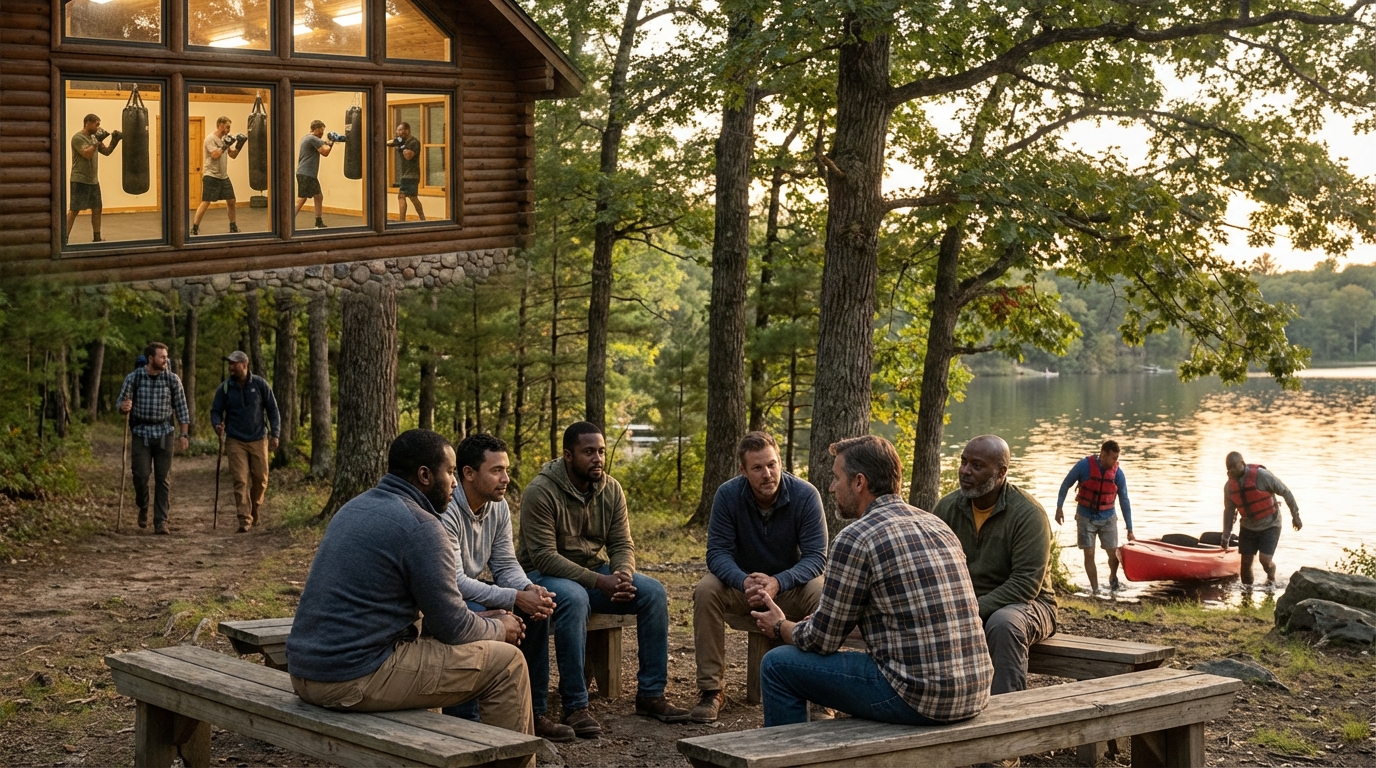
"Approaches like Trifecta Healthcare Institute's movement-focused programming—centered on physical activity, brotherhood, and structured outdoor experiences—activate stress reduction and foster genuine trust."
This dual strategy best supports families who value whole-person healing: physical wellness, emotional regulation, and renewed relational strength, working together as one treatment plan.
Measuring the value of family therapy requires a disciplined approach—one grounded in clinical evidence and real-world resource realities. Leading studies confirm that family-involved care produces benefit-to-cost ratios above 5:1, with measurable drops in healthcare crises, legal involvement, and disruptive events.
This analysis extends beyond therapy session costs, accounting for wider improvements in family functioning and financial stability. Tennessee families considering relational interventions often realize ongoing gains over 12–18 months, making family therapy a sustainable investment. Prioritizing systemic approaches over short-term fixes cultivates lasting support networks and improved quality of life for everyone involved.
Analysis of the latest outcome research and financial data underscores why family therapy earns its reputation as a wise, evidence-grounded investment for Tennessee families addressing substance use disorder. Extensive meta-analyses report that relational interventions—such as structured family counseling and multisystemic therapy—achieve medium effect sizes of 0.26, reducing substance use frequency by roughly 40% when compared to standard individual therapy alone.
Economic findings are equally persuasive: benefit-to-cost ratios regularly exceed 5:1, resulting from marked declines in medical emergencies, legal crises, and social service dependence. Studies tracking outcomes over 12–18 months further reveal that family-involved care leads to about 5.7% less substance use—a difference translating to approximately three extra weeks per year of healthier, crisis-free living. This constellation of data consistently supports family therapy and its related approaches as both effective and resource-smart.
Experienced practitioners consistently emphasize that the most meaningful metrics in family therapy go beyond clinical abstinence rates and instead reflect each family's real priorities. Essential indicators—like repaired trust, improved communication, and stronger emotional bonds—often offer a truer gauge of healing for those navigating substance use disorder recovery.
Many Tennessee families pursuing Nashville rehab or Knoxville rehab find that progress is best measured by tracking practical gains such as fewer crises, increased family involvement, and reduced enabling behaviors. Setting clear, shared criteria before treatment both aligns expectations and anchors motivation throughout the recovery journey.
Virtual care continues to reshape family therapy, particularly for Tennessee families balancing travel, childcare, or work challenges. Evidence reveals that online family therapy produces clinical outcomes on par with in-person sessions—while reducing the logistical barriers that often derail participation.
For families seeking Nashville rehab or Knoxville rehab services, telehealth now offers access to systemic interventions without leaving home, benefitting those in rural or multi-location households. This method excels for motivated families with stable internet who value convenience and confidentiality. A brief adaptation period may be required as some members adjust to technology, but results show ongoing engagement and greater access to support.
Guiding diverse participants toward shared recovery objectives is no small feat—especially when clinicians, family members, and treatment providers bring competing priorities to the table. Research and practitioner experience converge on this point: family therapy achieves its strongest outcomes when everyone agrees on treatment goals, measures of progress, and intervention strategies.
Yet real-world consensus is rarely automatic. Families in Tennessee frequently encounter tension over boundaries, abstinence timelines, and therapeutic boundaries. Facilitated, intentional consensus-building reduces rates of dropout and disengagement. Success demands transparent communication, cultural sensitivity, and trauma-informed practice—particularly in complex recovery situations where every voice deserves respect and meaningful inclusion.
Developing strong alliances between family therapists, referring professionals, and medical providers is essential for effective family therapy in addiction recovery. Evidence-rooted practice calls for shared treatment philosophies, clear referral pathways, and agreed-upon progress benchmarks.
Communication should include routine case conferences and mutually defined objectives to keep each stakeholder—whether it's a Trifecta Healthcare Institute counselor, a primary doctor, or a Nashville rehab partner—aligned and informed. This strategy suits Tennessee families best when providers communicate openly, coordinate care transitions, and maintain confidentiality, protecting both clinical integrity and families' trust.
Therapists and families often face obstacles rooted in cultural identity and unresolved trauma when working toward consensus in family therapy. Research indicates that ethnic background, faith, socioeconomic status, and generational trauma shift how families engage in mental health care and respond to authority or disclosure.
Unaddressed trauma—such as discrimination or historical adversity—can fuel mistrust and differing coping styles, complicating alliance-building. The most effective strategies rely on cultural humility, tailored communication, and patience as families process their experiences. This solution fits Tennessee families when therapists explicitly adapt timelines, honor healing traditions, and create space for each member's unique perspective in the recovery process.
Supporting lasting change through family therapy requires a deliberate, honest approach to building trust and aligning expectations. Clinical research demonstrates that families who reach explicit agreement on treatment goals and communication methods see notably improved retention and satisfaction with the process.
Trust grows through open dialogue—each member's recovery concerns, hesitations, and hopes for change should be aired with empathy and respect. The most constructive family environments outline together what recovery success should look like, set realistic timelines, and commit these to writing.
Practitioners often recommend formalizing shared expectations in a written agreement or 'family contract,' which specifies roles, boundaries, and regular check-ins. This transparency reduces misunderstandings and mistrust, making it easier for Tennessee families to support each other while working through the ongoing challenges of substance use disorder.
Effective implementation of family therapy demands an honest appraisal of each family's resources, readiness, and stage of addiction recovery. Evidence makes clear that tailoring intervention intensity to match family needs, not applying a standard model, is essential for progress in Tennessee households.
Successful implementation considers unique challenges—such as single parenting, veteran trauma, or work barriers—and leverages resource planning tools, milestone tracking, and clear communication structures to sustain engagement. This approach combines traditional in-person, virtual, and movement-based modalities, ensuring families—whether urban, rural, or community-based—can access support that adapts as circumstances shift.
Effective family therapy requires shaping interventions around a family's present realities—whether facing a crisis or moving through sustained recovery. Evidence indicates that when families are in acute distress, the initial focus must be safety, emotional stability, and anchored support systems before attempting deeper relational work.
For those beyond initial crisis, therapy shifts to rebuilding trust, strengthening routines, and embedding communication skills. Meaningful customization may involve youth coordination with schools, dedicated trauma-responsive support for veterans, or practical scheduling for professionals balancing treatment and career. The strongest outcomes emerge when the intensity of systemic support reflects—not overwhelms—the family's capacity at each stage.
In acute crises triggered by substance use, Tennessee families need immediately actionable stabilization—prioritizing physical safety, rapid de-escalation, and pausing on deep relational therapy until the environment calms. Professional crisis responders focus on short-term safety plans and connect families to 24/7 resources rather than starting intensive family therapy during periods of volatility.
This sequence gives families the opportunity to regain control, tap into emergency supports, and prepare for structured family-based interventions that build sustainable, long-term healing. Evidence shows engagement in future family therapy rises when stabilization and coping skills come first.
In the post-crisis recovery phase, relationship rebuilding through family therapy requires steady, practical investment in trust and communication. Practitioners emphasize establishing new communication routines and consistent behavioral expectations—critical steps supported by research showing that sustained family-based therapy yields measurable improvements in both relationship stability and reduced substance use for up to 12–18 months after treatment.
Trusted approaches include:
Tennessee families—especially those engaged in Nashville rehab or Knoxville rehab programs—benefit when treatment supports individual recovery while working systemically to heal relationship patterns and foster resilience across the entire household.
Adaptations in family therapy are critical for effectively engaging youth, veterans, and professionals—each group brings challenges that require a thoughtful, customized approach.
For adolescents, interventions work best when involving schools and peer communities, supporting identity growth and autonomy alongside recovery. Veterans often need trauma-informed care that respects military culture and addresses service-related PTSD. Professionals may benefit from evening telehealth sessions or flexible scheduling to accommodate demanding careers. Research shows participation and outcomes improve when family therapy adjusts to real-life constraints and cultural factors, as seen in Tennessee rehabs offering tailored tracks for these distinct populations.
Effective family therapy requires families to approach resource planning with transparency, realism, and a strategic lens. Evidence affirms that well-structured resource plans—covering both direct needs like therapy attendance and indirect ones such as transportation or child supervision—lead to higher retention and stronger outcomes.
In Tennessee, balancing participation in Nashville rehab or Knoxville rehab with work and financial pressures is common. To sustain engagement, families should collaboratively define roles, set clear participation schedules, and revisit goals as milestones are reached. Such planning ensures that skill building in communication and accountability remains a central feature of successful family therapy.
The realities of family therapy demand a practical approach to budgeting time, effort, and support resources. Strong evidence shows that when families plan for both the direct and indirect requirements of sustained involvement—transport, flexible scheduling, and child care needs—they are more likely to see clinically meaningful results and fewer disruptions.
Careful monitoring of progress and setbacks helps Tennessee families understand not just personal growth, but the substantial reduction in medical, legal, and crisis disruptions that reliable therapy brings. This path makes sense for families seeking lasting relational stability, not just short-term relief.
Clear role definition is essential for sustaining progress in family therapy—each participant's responsibilities must align with both clinical recommendations and lived family realities. Experienced practitioners see the strongest outcomes when families deliberately clarify:
Peer support, especially within brotherhood-focused programs in Nashville rehab or Knoxville rehab, offers practical encouragement and lived insight that bridges formal therapy and daily life. Clinical teams facilitate these efforts by maintaining therapeutic direction, coordinating communication across co-occurring support networks, and reinforcing consistent behavioral standards. Success depends on revisiting these roles as family and clinical needs evolve—ensuring each member's contribution builds toward lasting recovery.
Establishing well-defined milestones transforms family therapy from an abstract process into a set of actionable objectives. Strong evidence indicates that families who monitor tangible progress markers—like session attendance, reduced conflict episodes, and improved communication—are more likely to see long-term gains in recovery and relationship repair.
Effective frameworks incorporate input from all participants: each family member offers self-assessments, clinicians track interaction patterns, and practical tools (such as weekly check-in logs) capture ongoing improvements in family functioning, boundary-setting, and crisis management. Regularly revisiting these markers helps Tennessee families adjust strategies as needed, ensuring systemic therapy remains anchored in clear, measurable growth.
Selecting the right delivery method for family therapy is rarely straightforward. Real-world experience shows families in Tennessee achieve the strongest outcomes when sessions are matched to their daily realities—considering barriers like distance, work schedules, or trauma histories.
Virtual family therapy can deliver comparable results to in-person care by reducing travel, maintaining engagement, and supporting continuity when logistics or geography threaten progress. Hybrid approaches—blending face-to-face meetings for relational milestones with remote check-ins—often provide the needed flexibility for men's recovery programs and families navigating substance use disorder together.
Experienced practitioners in Tennessee recognize that the format chosen for family therapy deeply affects outcomes and engagement.
In-person sessions stand out for crisis stabilization, nuanced communication repair, and situations involving significant trauma or high emotional stakes, where therapist presence is crucial for safety and boundary maintenance. By contrast, virtual family therapy offers evidence-backed benefits: easier access for rural or busy families, less logistical stress, and comparable progress in communication and relationship skills.
Hybrid models—combining periodic in-person meetings with regular virtual check-ins—are especially effective for maintaining connection and momentum between milestones, and suit families balancing recovery with complex schedules or geographical distance. These approaches all have a clear place within substance use disorder treatment and support, provided the method fits the family's structure and resource reality.
Movement-based family therapy—such as the brotherhood-focused model at Trifecta Healthcare Institute—offers a distinct, evidence-supported alternative for Tennessee households seeking breakthroughs beyond traditional sit-down therapy. Research shows that experiential activities activate stress-relief pathways, allowing men and their families to rebuild trust through teamwork, physical challenges, and shared accomplishment.
"Instead of relying only on conversation, programs blend fitness, outdoor adventure, and group challenge, encouraging natural emotional expression and connection."
This approach is ideal for families craving hands-on, holistic addiction treatment methods that unite physical wellness, emotional repair, and resilient relationships. The movement-based model particularly resonates with Tennessee men who value action-oriented healing and brotherhood support systems.
Coordinating family therapy within a unified continuum of care demands seamless integration across detox, residential, outpatient, and ongoing support phases. Research and experience both point to far better results when addiction counseling, family therapy, and co-occurring mental health treatment are woven together—rather than delivered in isolation or in fragmented sequences.
Clear communication protocols linking Nashville rehab, Knoxville rehab, and dedicated family specialists ensure families experience consistency, reduced dropouts, and aligned recovery plans. This path makes sense for families who want sustained gains: it addresses physical stabilization, relationship work, and individualized recovery—all within an intentionally connected framework that minimizes gaps and confusion.
Bridging the gap between theory and daily practice, Tennessee families see the best outcomes when the next 30 days are mapped with clear, action-oriented steps. Evidence confirms that concrete 30-day milestones dramatically improve engagement and retention rates in family therapy compared to vague or open-ended plans.
Practitioners recommend families prioritize building a support network, scheduling professional consultations, and setting shared, realistic expectations to avoid overwhelm—especially in the first month when vulnerability peaks. Structured planning and early accountability tools help maintain momentum after motivation naturally wanes. For those stepping into Nashville rehab or Knoxville rehab, this approach anchors new skills, relationship routines, and resilience for lasting change.
Families ready to engage in family therapy achieve the strongest results when they translate intentions into actionable, daily steps. Studies clearly show that consistent routines over the first 30 days boost engagement and recovery outcomes over unstructured attempts.
Begin by booking a qualified consultation, initiating honest communication protocols, and setting up accountability practices—such as weekly progress check-ins. Logistical planning—addressing transportation, schedules, and household responsibilities—removes barriers to participation. This framework is particularly effective for Tennessee families pursuing Nashville rehab or Knoxville rehab, as consistent structure creates the foundation for lasting relational change and progress.
Families who succeed with family therapy build deliberate support networks during the early stages—this is more than just gathering loved ones, but a strategic review of who can truly uphold recovery principles without enabling unhealthy patterns. Evidence from clinical research shows higher retention rates when families actively map and engage both personal and community connections for emotional support.
Tennessee families often benefit from including:
Setting intentions should be a collective process: define the behavioral changes each member will practice, clarify expectations for communication, and agree on shared markers of relationship growth beyond abstinence—such as trust or emotional availability.
Arranging initial consultations for family therapy should be approached systematically and with clear intent. Practitioners recommend prioritizing providers with specialized training in addiction recovery, trauma, or movement-based approaches such as those offered at Trifecta Healthcare Institute.
Evidence shows that families who complete a thorough assessment process—including readiness evaluation and structured safety screenings—report higher engagement and retention rates during treatment. Tennessee families may benefit from exploring various therapeutic perspectives, including traditional and movement-based modalities, before selecting their preferred fit.
Creating a shared schedule for these assessments and defining joint goals in advance helps prepare each participant for active, constructive involvement.
Establishing a habit of documenting small victories and proactively planning for setbacks enables Tennessee families to weather the inevitable ups and downs of family therapy. Evidence suggests families who consistently log early gains—such as less frequent arguments, improved attendance at sessions, or honest check-ins—set a tone of progress and reinforcement for all involved.
Equally, anticipating potential pitfalls like job stress or family events, and agreeing on clear response strategies, builds resilience during recovery's challenging weeks. Weekly progress journals or digital logs offer tangible benchmarks that keep every family member engaged and motivated when obstacles arise—especially within Nashville rehab or Knoxville rehab programs.
Sustaining progress in family therapy requires deliberate systems of accountability and strong engagement with wider recovery communities. Evidence shows that families integrating peer support, group counseling, and technology-based check-ins achieve more enduring behavioral change than those relying on clinical sessions alone.
As commitment can wane over time, a blend of structured routines—such as group check-ins and digital progress logs—bolsters engagement. Peer networks, men's recovery circles, and ongoing support from Nashville rehab or Knoxville rehab services build the resilience needed for lasting healing. Community support is the anchor that helps Tennessee families translate early breakthroughs into sustained relationship growth.
Sustained progress in family therapy often hinges on integrating peer support groups, men's circles, and recovery-focused communities into daily life. Evidence points to notable improvements in both retention and behavioral stability when families combine group therapy or mutual-aid models with formal sessions.
In Tennessee, where stigma and isolation remain real barriers, trusted peer communities deliver:
For those in Nashville rehab or Knoxville rehab, these group-based connections extend support and promote practical skill-building, ensuring family therapy translates into strong, mutual bonds and everyday resilience.
Families pursuing family therapy in Tennessee increasingly rely on secure digital platforms to maintain engagement and reinforce new skills between sessions. Virtual delivery models—such as video conferencing, encrypted messaging, and mobile progress-tracking tools—now make it possible for those in Nashville rehab or Knoxville rehab to stay connected, even across rural distances or demanding schedules.
For younger family members or participants who disengage, targeted outreach via calls or texts sustains involvement and accountability. Establishing structured digital routines supports not only communication, but also ongoing practice of boundary-setting and positive behavioral changes. This approach suits families seeking flexible, privacy-minded recovery support that fosters accountability throughout each stage of addiction recovery.
Sustaining meaningful change through family therapy relies on ongoing, honest feedback and willingness to modify strategies as circumstances shift. Leading research shows Tennessee families who schedule regular reviews—such as monthly check-ins involving both family members and clinical specialists—demonstrate higher engagement and more stable progress than those following a fixed plan.
These sessions should focus on real measures: assessing shifts in communication, milestone achievement, and identifying emerging obstacles or relationship dynamics that need attention. Adaptive planning is especially useful in Nashville rehab and Knoxville rehab settings, where evolving work and family demands often challenge initial routines.
Incorporating input from peer support and therapists ensures changes reflect what's truly happening, allowing families to recalibrate their recovery efforts and strengthen the foundation for lasting healing.
Tennessee families addressing addiction recovery need resources that turn family therapy concepts into reliable, daily habits. Evidence shows greater progress when families actively use toolkits—such as skills checklists, educational handouts, and community referral networks—alongside professional support.4
Effective resource planning accounts for geographic distance, local provider shortages, or cultural barriers that may interrupt family counseling sessions. In practice, families thriving in Nashville rehab or Knoxville rehab consistently layer in peer groups, telehealth, and practical guides, building a support web that remains strong even after formal treatment ends.
Families pursuing family therapy in Tennessee benefit when they access reliable, evidence-based resources tailored to their local context. Practitioners recommend starting with:
Families often reach a point where standard family therapy models are not enough—particularly when trauma histories, co-occurring mental health concerns, or cultural complexities complicate progress. Evidence shows that over 90% of individuals seeking addiction treatment have significant trauma exposure, and secondary trauma can deeply affect loved ones as well.
When issues such as persistent enabling, histories of domestic violence, or breakdowns in trust persist, specialized family-based programs become critical. Approaches like Trifecta Healthcare Institute's movement-centered therapy combine physical activity, brotherhood, and peer support in a way that creates space for safe communication and genuine relational healing.
This approach is ideal for Tennessee families seeking integrated addiction recovery that addresses emotional, physical, and relationship health in tandem.
Sustaining progress after family therapy calls for detailed aftercare planning and daily accountability habits. Evidence from longitudinal studies shows systemic interventions yield lasting results—up to 12–18 months—if families maintain structure and support.
Successful aftercare frameworks include:
This method is especially helpful for Tennessee families focused on resilience, not just avoiding crisis, as they transition beyond formal family therapy.
As Tennessee families step into family therapy or movement-based recovery, practical questions naturally arise—how to ensure safety, what results to expect, and how to integrate support into daily life. Thoughtful analysis shows that families who clarify expectations, recognize possible limitations, and understand available therapy models achieve higher engagement and longer-lasting outcomes. Addressing common areas—timing, roles, cultural fit, and real-world logistics—helps families select the most adaptive, evidence-informed systemic intervention. This Q&A is designed to guide Tennessee families in making grounded, strategic decisions that fit their unique path to lasting recovery.
Assessing whether family therapy fits your situation calls for a clear-eyed review of safety, motivation, and readiness—this decision will shape your recovery trajectory. Begin by asking: Can every participant safely and honestly engage together, or does active substance use or violence make joint work too risky? Research confirms that families who complete an intentional evaluation—discussing willingness to examine personal patterns and logistical capacity for weekly involvement—see better outcomes. Lastly, weigh your real support goals—such as improved communication, trust rebuilding, or reducing enabling—against the strengths of evidence-based, systemic family therapy models.
Family therapy for addiction recovery now draws on culturally responsive models that align care with each family's heritage and values. Clinical evidence underscores that engagement and outcomes improve when therapists integrate cultural traditions, kinship networks, and adapted language into treatment—especially for Tennessee families from diverse backgrounds. On one hand, culturally informed methods address barriers such as acculturation stress, differing attitudes toward mental health, and disclosure norms. Yet analysis also reveals that effective adaptation requires respect for household structure and lived experiences, not a one-size-fits-all approach. Prioritize providers who demonstrate true cultural humility and trauma awareness, ensuring systemic interventions support recovery while honoring individual family traditions.
Expert clinicians recognize that family therapy delivers meaningful results when families begin to notice tangible shifts beyond simply sustained abstinence. Research-supported progress includes consistently lower conflict during interactions, more openness in difficult conversations, and improved reliability in attending sessions—all powerful signals of a supportive, recovery-oriented environment. Look for specific changes: emotional validation during discussions, transparent feedback instead of criticism, and increasing trust evidenced by sharing and accountability. When loved ones uphold boundaries, reduce enabling, and demonstrate steady support for recovery, these developments reflect true movement toward healing within the family system.
Men engaging family therapy through Nashville rehab or Knoxville rehab can expect rigorous privacy protocols, deeply informed by HIPAA regulations and real-world clinical best practices. No details discussed in therapy are shared with family members without each participant's explicit, written consent. In male-focused environments, where cultural expectations around emotional expression may already feel daunting, honoring confidentiality is non-negotiable. Structured communication agreements—defining what remains private versus what supports collective healing—protect each person's autonomy while fostering shared progress. These safeguards ensure men retain genuine choice about disclosure, strengthening both trust and safety within the therapy process.
Family therapy, when applied within men's only programs or male-dominated households, produces stronger outcomes by directly aligning with masculine norms and peer accountability models. Evidence suggests men typically respond best when therapy emphasizes action, collaborative goal-setting, and brotherhood rather than purely emotional dialogue. In practice, settings like Trifecta Healthcare Institute's movement-based model use physical activity, shared challenges, and group rituals to foster trust, emotional openness, and skillful communication. This approach suits Tennessee men who value hands-on progress and accountability, bridging the gap between traditional talk therapy and real-life behavioral change. Family therapy adapts well here by honoring masculine strengths while carefully expanding the family's capacity for emotional validation and conflict resolution.
Siblings and extended family often offer a valuable layer of support that complements, and sometimes compensates for, the limitations of nuclear family structures in addiction recovery. Research shows that kinship networks play a meaningful role in shaping recovery outcomes, particularly when each participant's responsibilities and boundaries are clearly defined within the family therapy process. Siblings tend to function as accountability partners or allies—fostering honest dialogue and trust in ways that differ from parent-child dynamics. Extended relatives (grandparents, aunts, uncles, close friends) frequently contribute emotional stability, cultural grounding, or logistical support, especially when distance or strained relationships complicate immediate family participation. This wider network proves especially helpful for Tennessee families navigating Nashville rehab or Knoxville rehab, providing resilience in moments when one relationship feels overtaxed or vulnerable to enabling patterns. Careful, intentional assessment of each extended member's impact ensures family therapy and related interventions mobilize the most constructive supports while minimizing the risk of well-intentioned but counterproductive involvement.
A relapse during family therapy is best viewed as a signal to regroup, not a reason to disengage. Clinical experience and research underscore relapse as a frequent step in substance use disorder recovery—requiring families to pivot with care rather than abandon systemic work. Address immediate safety first, then, in consultation with your clinical team, reconsider whether continuing joint sessions or shifting to individual support makes sense. Avoid automatic enabling and instead revisit boundaries, clarify accountability, and coordinate with Nashville rehab or Knoxville rehab resources for tailored support. By leaning into the structure and communication skills built through family therapy, Tennessee families transform setbacks into renewed commitment and deeper resilience.
When Tennessee families weigh the investment in family therapy for addiction recovery, experienced advisors encourage them to plan for direct and indirect resource commitments. Beyond session fees, real-world costs include travel, adjusted work schedules, and regular participation over months. Evidence shows that a well-structured family therapy program often pays for itself within 12 to 18 months by reducing medical crises, legal interventions, and other disruptions linked to substance use. As families enter Nashville rehab or Knoxville rehab, considering both the upfront and sustained commitments—transportation, flexibility, and time—creates a realistic roadmap for success. Family-involved interventions remain one of the best investments for long-term relational stability and recovery.
Insurance coverage for family therapy in addiction treatment can be inconsistent, varying by insurance company and specific policy. Many commercial insurers do provide some benefit, but requirements like documented medical necessity, use of licensed providers, and pre-authorization are common hurdles. The Mental Health Parity and Addiction Equity Act mandates behavioral health equality, but enforcement across plans is not uniform. Tennessee families preparing for Nashville rehab or Knoxville rehab programs should always confirm their plan's policies in advance, as limitations on accepted family therapy models and documentation standards frequently apply. Medicaid and Medicare typically have tighter restrictions and authorization requirements—especially for systemic, evidence-based family interventions.
Tennessee families entering family therapy typically notice small but important shifts—such as reduced conflict or more open conversations—within the first 2–4 weeks. Consistent attendance and focused participation are essential. Research demonstrates substantial changes in family communication, emotional connection, and reduced enabling emerge over 3–6 months of ongoing therapeutic engagement. Systemic interventions, especially when paired with practical tools and peer support in Nashville rehab or Knoxville rehab, often sustain progress and resilience for 12–18 months. Expect gradual, cumulative improvement—not instant transformation—anchored by consistent practice of relational skills.
Prior to engaging in family therapy, it is crucial to honestly assess for risk factors that could compromise safety or progress. Conjoint sessions should be avoided if family members are actively using substances, displaying aggression, or if domestic violence has occurred, as these settings may escalate conflict or expose participants to harm. Individuals with severe untreated mental health conditions—such as active psychosis or suicidal ideation—must stabilize individually first. In circumstances involving acute financial crisis, housing instability, or ongoing legal issues, one-on-one crisis intervention takes priority over systemic work. These careful steps ensure that family therapy is both effective and safe for all involved.
Family therapy can still foster meaningful change within Tennessee households even when not everyone is ready to engage. Clinical experience and systems theory reveal that one committed family member's efforts often influence the entire relational system. Evidence from CRAFT demonstrates that training willing members in effective communication and positive reinforcement can gradually draw in resistant relatives—raising engagement rates from 18% to 67% over time. Practical strategies include starting with those ready to participate, using individual sessions to address hesitations, and intentionally building psychological safety before full group work. Success emerges when families honor resistance, avoid ultimatums, and focus on steady trust-building and honest self-reflection rather than forcing collective participation.
Telehealth-based family therapy provides Tennessee families with access to relational support, regardless of travel barriers or shifting schedules. Leading studies demonstrate that virtual sessions yield engagement, communication, and relationship repair results closely matching those achieved in traditional in-person settings. This format excels for families coordinating from multiple homes or managing work obligations. Still, in-person care remains essential for acute crises or situations requiring immediate therapist intervention. Many families find a blended approach—virtual check-ins plus occasional in-person sessions—supports sustained progress in Nashville rehab or Knoxville rehab environments.
Experienced clinicians agree that family therapy should pause when ongoing trauma or violence creates a risk to anyone's safety during joint sessions. Research is unequivocal—active domestic violence or a threatening home environment can escalate harm if addressed through family-based interventions, rather than protecting vulnerable members. With trauma exposure found in over 90% of those seeking addiction treatment, and loved ones often facing secondary trauma, a thorough trauma-informed assessment is mandatory before systemic work begins. In these cases, individual stabilization therapy, specialized trauma treatment, and building stepwise family engagement—only after protective measures are in place—prioritize true safety and respect the limits of family counseling until risks have been resolved.
Effective family therapy in addiction recovery hinges on families distinguishing between genuine support and patterns that undermine growth. There's a crucial difference between emotional encouragement and behaviors—like covering up missed work or minimizing consequences—that shield a loved one from experiencing natural outcomes of substance use. Tennessee families navigating Nashville rehab or Knoxville rehab succeed when they adopt clear boundaries, communicate expectations openly, and resist the urge to rescue from every setback. Attending educational groups, learning about substance use disorder as a chronic health issue, and celebrating sobriety milestones all support connection without enabling. Clinical evidence and firsthand experience confirm that consistent boundary setting, honest feedback, and steady accountability help propel real change—while still keeping hope and compassion at the heart of the recovery process.
Lasting addiction recovery rarely happens in isolation—it relies on genuine connection, structured accountability, and the steady support of a well-prepared family network. Decades of research confirm that family therapy, when thoughtfully applied, leads to real progress in communication, trust, and sustainable behavioral change for Tennessee families seeking Nashville rehab or Knoxville rehab.
Approaches like CRAFT, Behavioral Couples Therapy, and movement-based models such as those at Trifecta Healthcare Institute all offer practical, evidence-backed routes to healing. The lesson is clear: family therapy transforms relational strain into durable support, strengthening recovery for every individual and the family system as a whole.

As Tennessee families step into family therapy or movement-based recovery, practical questions naturally arise—how to ensure safety, what results to expect, and how to integrate support into daily life. Thoughtful analysis shows that families who clarify expectations, recognize possible limitations, and understand available therapy models achieve higher engagement and longer-lasting outcomes. Addressing common areas—timing, roles, cultural fit, and real-world logistics—helps families select the most adaptive, evidence-informed systemic intervention. This Q&A is designed to guide Tennessee families in making grounded, strategic decisions that fit their unique path to lasting recovery.